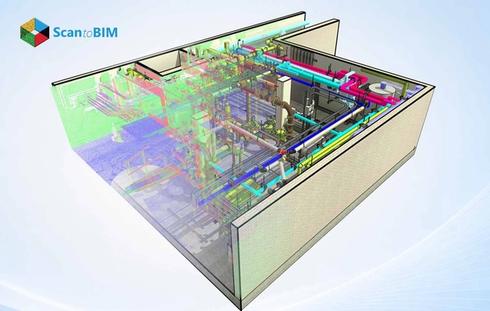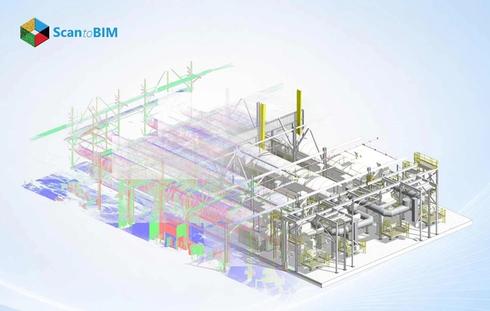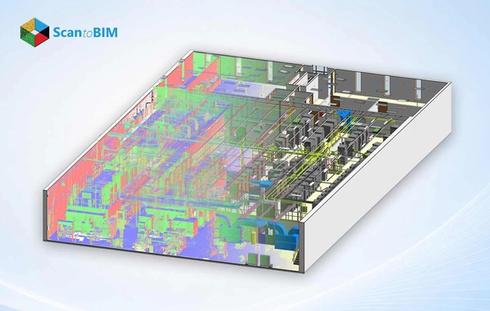
Modern construction places strong emphasis on energy performance across every asset class. Carbon reduction has become central to design decisions for owners around the world. Reality capture supports these green building outcomes through measurable spatial validation. Engineers treat existing condition data as the foundation of a sustainability strategy. Mechanical systems then run differently when designers start with measured inputs. Sustainable MEP design using scan to BIM puts these measured inputs at the center of every choice.
Field scanning turns real buildings into accurate digital geometry for sustainability analysis. Design teams use this geometry to plan retrofits with full dimensional confidence. Thermal performance modeling becomes far more dependable through measured inputs. System layout refinement happens much earlier in the design phase. The output connects field accuracy with measurable carbon savings across operations.
Why Sustainable Buildings Require Accurate Existing Condition Data
Green building outcomes depend on the fidelity of as-built information across the asset. Outdated 2D drawings often misrepresent current MEP geometry by several inches. These gaps compound across every system route in the building over time. Energy models built from wrong inputs deliver wrong predictions for retrofit teams. Project owners then design upgrades that fail to perform as planned. Reality capture answers each of these data quality concerns with measured points. The output includes:
- Verified geometry of ducts, pipes, conduits, or equipment locations
- Confirmed clearances for retrofit installation paths through ceilings
- Documented penetrations through walls, floors, or slabs
- True ceiling heights measured for ventilation redesign work
- Field captured wall thickness for thermal envelope analysis
- Recorded deviations from the original design drawings across decades
Field-captured datasets help engineers evaluate HVAC performance with confidence. Teams trace thermal leaks across the envelope at every level. Airflow refinement gives occupants better comfort across zones. Electrical load checks help retrofit teams plan upgrades floor by floor. Accurate geometry feeds energy simulation tools with trusted inputs. The resulting models predict performance with high confidence levels. This clarity supports sustainability targets across the full asset lifecycle.
Role of 3D Laser Scanning in Sustainable MEP Workflows
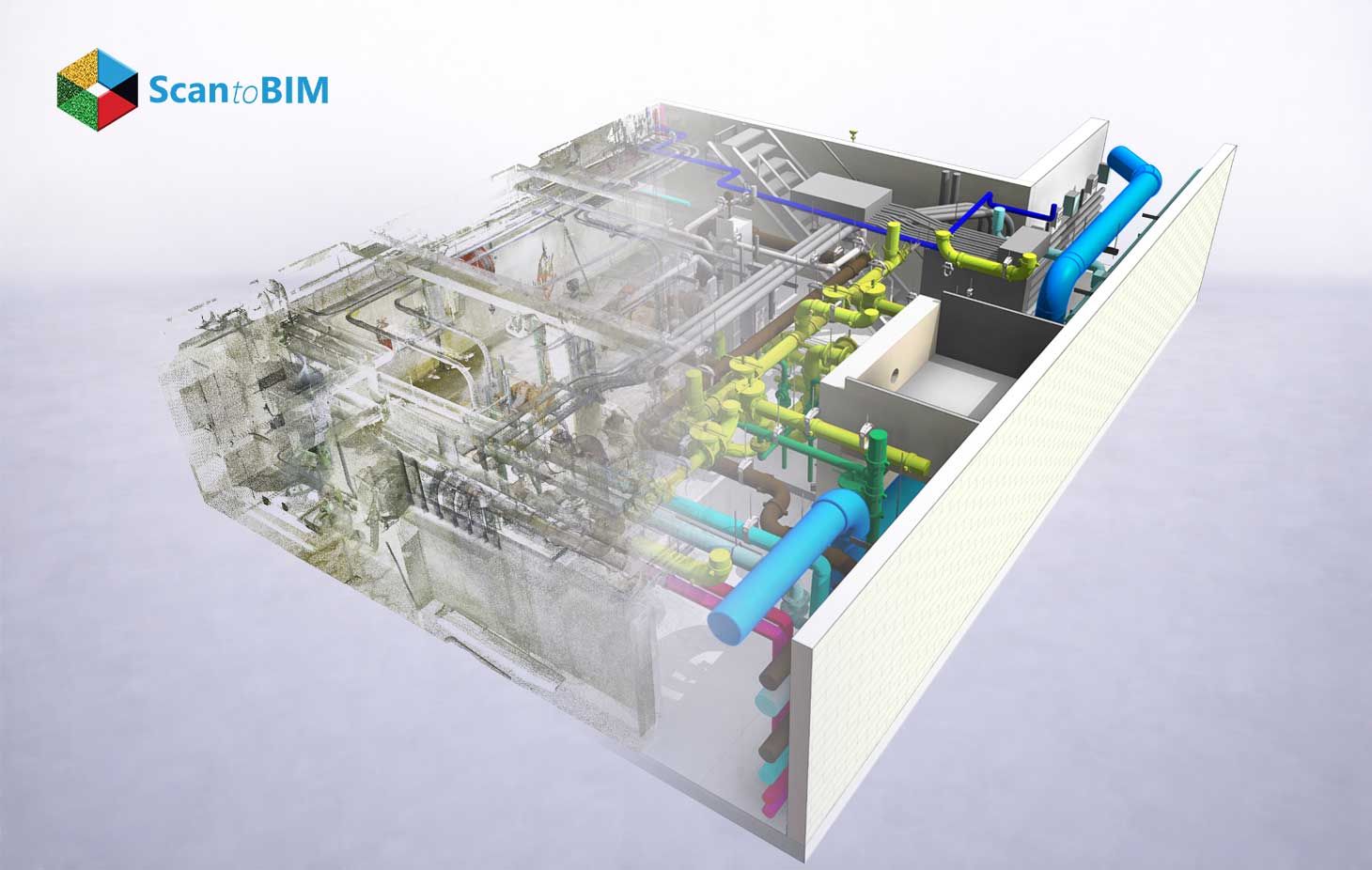
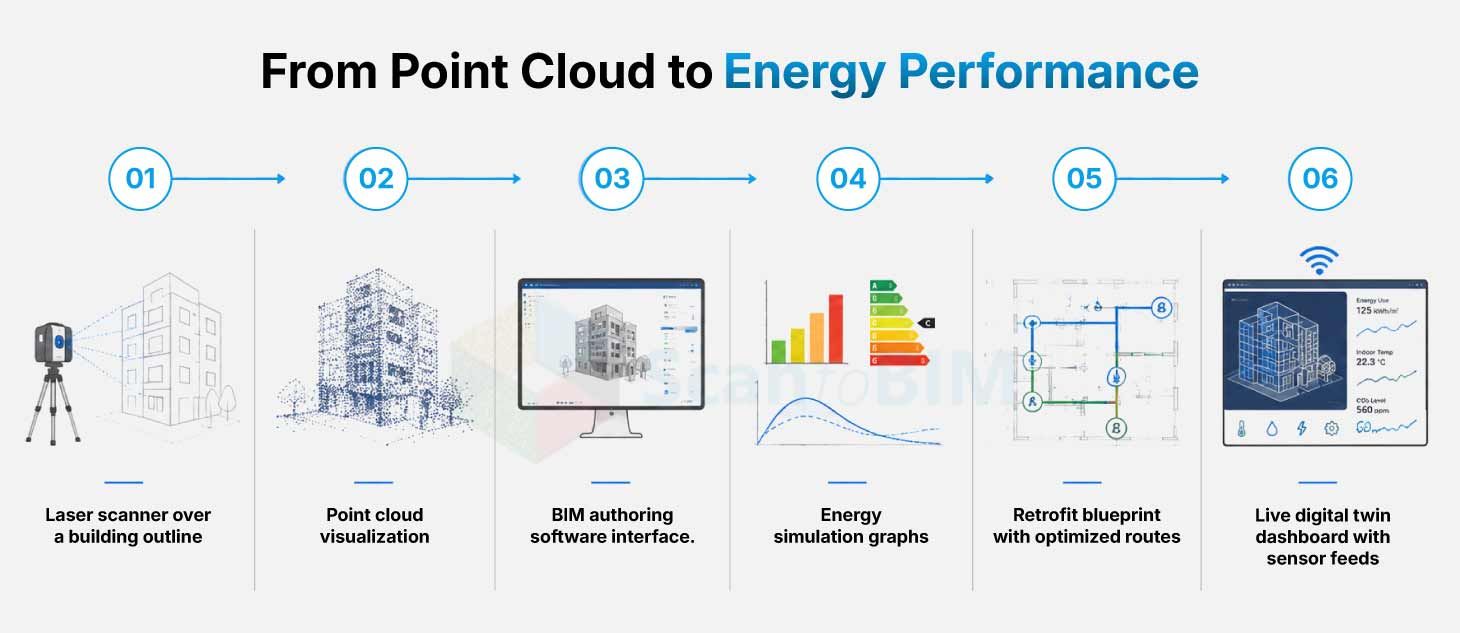
3D laser scanning forms the foundation of every reality capture deployment for green projects. The technology captures millions of points across the building interior in minutes. Each point logs exact position and color intensity for later analysis. The dataset rebuilds the real environment in digital form. Our structured point cloud to BIM workflow then turns raw data into intelligent geometry. Architectural members appear as measured assets ready for analysis. Structural elements show up the same way across every floor. Sustainable building BIM workflows start at this scanning step.
Scan to BIM Workflow
- Site Analysis: Experts walks the building first figuring out where to plant the scanner so nothing gets missed.
- Data Capture: Operators capture each station with terrestrial or mobile units at full resolution.
- Point Cloud Registration: All those individual scans get stitched together in software until they form one continuous, spatially accurate dataset.
- Quality Control: Someone always checks the numbers. The registered scans get measured against known control points to catch drift before it becomes a modeling problem.
- Modeling Conversion: With a clean point cloud in hand, the BIM team works through the geometry and builds out parametric Revit objects such as walls, ducts, equipment, and all.
- Deliverable Review: The finished federated model goes to the client reviewed, coordinated, and ready to feed straight into sustainability workflows.
How Scan to BIM Improves MEP Coordination
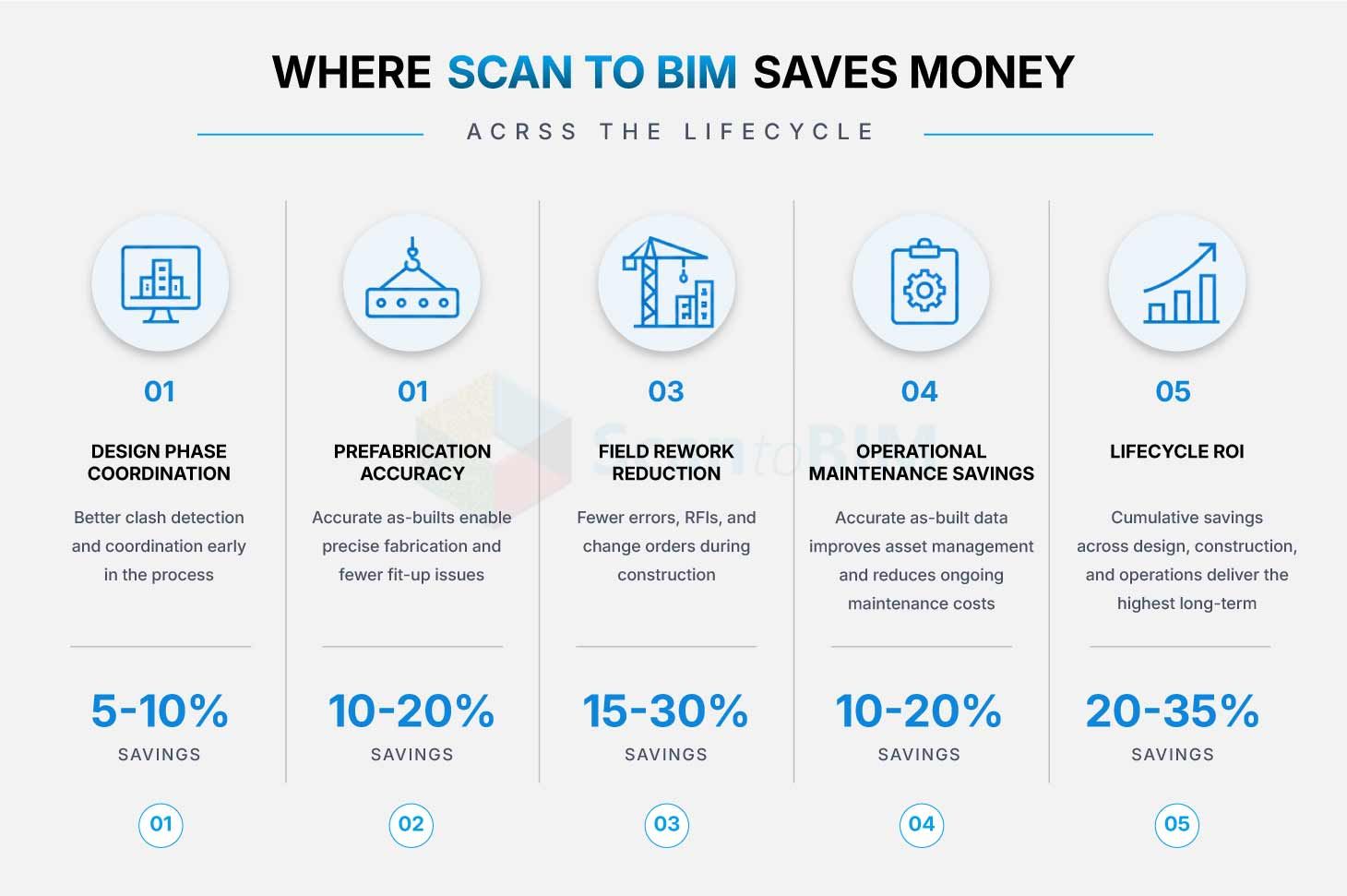
Once an accurate MEP scan to BIM model lands in a facility team's hands, the day-to-day job of managing that building changes. Asset information that used to live in binders or outdated PDFs becomes something people can actually act on from day one. Scan to BIM for MEP design replaces guesswork with real geometry across every trade.
Early Clash Detection
BIM software flags conflicts long before crews mobilize on the construction site. HVAC ducts meet structural beams in clean alignment. Conduits give plumbing routes proper breathing room across the ceiling. Pipe penetrations through walls receive coordinated openings. Field rework drops sharply through early visual coordination across trades.
Optimized Routing of Building Services
Tight ceiling cavities place real pressure on layout decisions across every floor. Engineers run pipes through the optimal path the first time. Cable trays follow corridors with confirmed clearance overhead. Ductwork avoids structural collisions in critical zones. Building services share a limited space with much higher efficiency. Floor-to-floor coordination becomes manageable across the project lifecycle.
Prefabrication Readiness
Offsite fabrication shops want trusted dimensions before they cut steel. Reality capture delivers field-verified measurements down to fractions of an inch. Modular skids arrive ready for installation on the first try. Pipe spools fit existing openings without trimming. Schedule risk drops sharply once field surprises disappear from the picture.
Collaborative Coordination Reviews
Project teams huddle around the BIM model each week for review. Designers walk through ducts, pipes, and conduits in 3D space together. Site engineers validate hardware placement against the captured geometry. Owners track resolution status across every trade in one platform. The federated environment supports real-time problem-solving for retrofit upgrades.
Scan to BIM for Energy Efficient Building Design
Energy performance hinges on three factors. Envelope behavior shapes the first one through thermal mass effects. System loading controls the second major factor across MEP design. Occupant patterns complete the equation over daily cycles. Reality capture sharpens the first two with measured accuracy. One Springer study reported up to 50% energy reduction in cold climates. The gains came from BIM models tied to climate inputs.
Envelope analysis gains a lot from millimeter-level wall thickness inputs. Insulation gaps become visible in the captured geometry. Window frame placement gets validated against the energy model. HVAC coordination then aligns supply ducts with actual diffuser locations. Right sizing replaces over-sizing of mechanical equipment across zones. Heat recovery systems plug into the model with confidence. Solar PV teams pick roof spots from verified geometry. Sustainable water designs slot into the measured plumbing routes.
Benefits of Scan to BIM for Facility Optimization
Facility teams gain measurable advantages once accurate BIM models reach their dashboards. Professional Scan to BIM services deliver this asset intelligence ready for day one operations.
- A single asset register that pulls together location, condition, and serial numbers in one place
- Maintenance scheduling that's based on how equipment is actually running, not just calendar intervals
- Faster response when something breaks technicians can find that hidden valve or buried conduit without guessing
- Real numbers on how space is being used, which makes workplace decisions a lot easier to justify
- Energy use tracked by floor, zone, or system not just building-wide totals
- A clearer picture of what needs capital investment and roughly when
- Documentation that holds up when a compliance audit comes around
- New vendors can get up to speed faster when the systems are visually documented
Scan to BIM facility optimization spans every one of these wins across the asset.
Digital Twin Integration for Smart Facility Management
Digital twins extend the BIM model into a live operational instrument. IoT sensors feed real-time data into the same federated environment. HVAC performance shows up on the dashboard each hour. Energy consumption tracks against simulation baselines daily. Indoor air quality stays under watch around the clock. Equipment health shows up through performance alerts. Facility teams catch issues hours before failure events.
Digital twin facility management supports automation across lighting, temperature, and ventilation. Occupancy sensors trigger setbacks during off hours. AI tools learn usage patterns across weeks of operation. Predictive analytics flag inefficient equipment for replacement. Sustainability reporting pulls verified data straight from the twin. When it's time to report on carbon, the numbers in the disclosure actually reflect what the building is doing not estimates pulled from generic benchmarks. Compliance audits move faster through structured data access.
Challenges in Sustainable MEP Projects and How Scan to BIM Solves Them
Sustainable MEP projects face recurring obstacles across the delivery lifecycle. Data quality stands at the top of the list. Coordination complexity follows close behind across trades. Retrofit constraints round out the top hurdles for owners. Field teams crack each issue through measured workflows. A clear view of common Scan to BIM challenges helps project owners plan smarter from day one.
Outdated Documentation
Many older facilities operate with drawings from decades past. Field modifications rarely make it back into the record set. Renovation teams then guess at hidden routes. Mistakes accumulate during demolition phases. Reality capture replaces guesswork with measured geometry.
Crowded Service Cavities
Ceiling plenums often hold multiple trades fighting for the same space. Site teams encounter clashes during installation that delay the schedule. Engineers struggle to plan upgrades around hidden conditions.
Interdisciplinary Misalignment
Each trade often works from a different drawing version. Information silos produce contradictory design decisions. Field crews then receive conflicting directions during construction.
Limited Site Access During Operations
Operating buildings such as hospitals or schools resist long survey campaigns. Manual measurement disrupts occupants for hours each day. Field crews complete partial captures across long timelines.
Energy Model Inaccuracy
Energy simulations only perform well with trustworthy geometry inputs. Outdated drawings produce inflated baseline numbers. Retrofit decisions then chase the wrong savings targets.
Applications in Renovation and Retrofit Projects
Older buildings hold the largest opportunity for carbon savings across the global asset base. Retrofit work lives or dies on documentation quality. Specialized point cloud to BIM services back every renovation scenario with verified geometry.
- HVAC Modernization: Before specifying replacement air handlers, the team already knows the exact penetration sizes, clearances, and structural constraints. So the new units are sized to fit what's there, not what someone assumed was there.
- Electrical System Upgrades: New panel routes get planned around the actual service paths in the building no surprises when the electricians open the ceiling and find something in the way.
- Plumbing Replacement: Plan riser swaps around real wall thickness or slab depth conditions.
- Envelope Retrofits: Refit cladding, insulation, and glazing against the captured facade.
- Heritage Preservation: With historic buildings, you only get one chance to record what's there before the work starts. A full scan captures everything like carvings, profiles, and asymmetries before a single tool touches the structure.
- LEED or WELL Certification: Compliance submissions are stronger when the geometry behind them has actually been measured. Verified BIM data slots into documentation packages without the usual back-and-forth over whether the numbers are reliable.
- Solar PV Installation: Verify roof structure orientation for panel layout decisions.
Future of Scan to BIM in Smart and Sustainable Buildings
Reality capture will move deeper into every project phase over the next decade. AI engines automate clash detection across federated models in real time. Mobile scanning devices shrink the cost of field deployment dramatically. Cloud platforms host massive point clouds for remote team access. Augmented reality overlays guide site engineers through retrofit work. Machine learning predicts failure events before they occur on site.
Decarbonization rules push every owner toward measured performance reporting. Green certifications ask for verified data across the asset lifecycle. In a properly configured smart building, the sensor network knows where it lives. The BIM geometry gives each sensor spatial context, so the system can respond to what occupants are actually doing rather than following a fixed schedule.
Self regulating systems balance lighting, ventilation, and temperature against measured loads. Reality capture sits at the foundation of this transition for owners. Forward-thinking organizations that adopt structured workflows today stand ready for tomorrow.
Conclusion
Scan to BIM has matured into a foundational practice for sustainable building delivery. The method connects field geometry with intelligent models across every project phase. Energy performance gains follow from measured inputs in design through operation. Facility teams receive digital assets that support decades of optimization. Reality capture remains the most practical entry point for decarbonization programs. Owners who see spatial data as a long-term asset consistently get more from it.